Heat Stroke Prevention in Sindh A Summer Survival Guide for Rural Families
Every summer, southern Pakistan enters one of the most dangerous health seasons of the year. Across Sindh, temperatures climb past 45°C, electricity outages stretch for hours and rural families face heat conditions their bodies were never built to survive. For the elderly, children, outdoor laborers and pregnant women in remote communities, heat stroke has become a recurring threat that arrives without warning and acts within minutes.
This summer survival guide breaks down what heat stroke really is, why rural Sindh remains the most vulnerable region and the practical steps families can take to protect themselves.
What Is Heat Stroke?
Heat stroke is a life-threatening medical emergency. It occurs when the body's core temperature rises above 40°C and its internal cooling systems stop working entirely. Once that happens, organs begin to overheat rapidly. Without immediate treatment, heat stroke can cause seizures, organ failure, unconsciousness and death within hours.
One important distinction: heat stroke is not the same as heat exhaustion and knowing the difference can save a life.
Heat Exhaustion vs Heat Stroke
Heat exhaustion is the body's early warning signal. The person sweats heavily, feels weak and dizzy, may feel nauseous and looks pale. If they rest in a cool place and drink fluids at this stage, most people recover without medical intervention.
Heat stroke is what happens when those warning signs are ignored. The body gives up trying to cool itself. At this stage, sweating may stop completely, skin turns hot and dry and the person may become confused, speak incoherently or lose consciousness. This is no longer a rest-and-rehydrate situation. It is a medical emergency requiring immediate professional care.
The Heat Crisis in Sindh
Southern Pakistan has emerged as one of the most heat-affected regions in South Asia. Karachi, Hyderabad, Tharparkar, Sujawal, Thatta and Badin now record consistently rising temperatures each summer, often crossing 47°C during peak weeks.
The 2024 heatwave alone caused over 568 confirmed deaths and resulted in more than 7,900 hospitalizations across Sindh, with Karachi reporting over 6,193 heatstroke admissions during a single six-day stretch in June. On June 25, 2024, the city recorded 141 deaths in just twenty-four hours as temperatures touched 47.2°C.
However, even those numbers are believed to be heavily underreported. According to Amnesty International's 2025 climate report, fewer than 5% of deaths in Pakistan are officially registered, meaning the actual heat-related mortality across rural Sindh is likely far higher than government figures suggest.
The situation becomes worse in interior villages where:
- Power cuts often last 12 to 16 hours during peak summer
- Clean drinking water remains inaccessible in many districts
- Homes are built with materials that trap rather than release heat
- Functional healthcare facilities sit 40 to 60 kilometers away
For families in these regions, heat exposure is not an occasional risk. It is a daily reality that builds steadily across the summer months.
Why Rural Families Face the Highest Risk
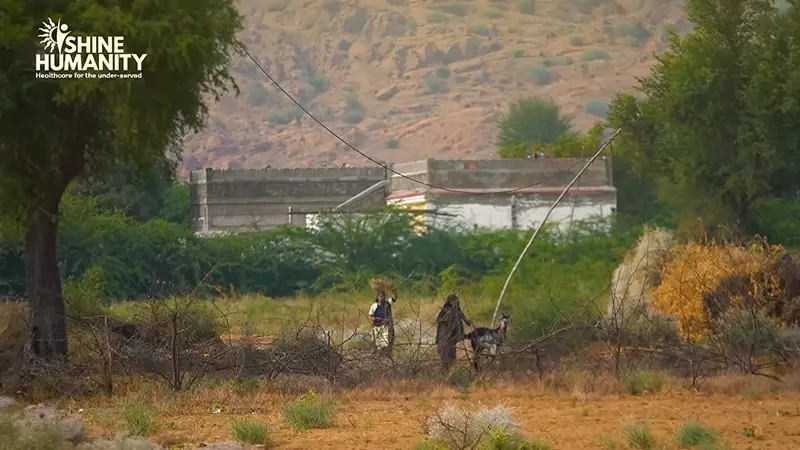
Heat stroke does not affect everyone equally. In rural Sindh, the burden falls heaviest on families with limited resources, where survival often depends on continuing to work outdoors regardless of temperature.
The most vulnerable groups include:
Outdoor Laborers
Farmers, brick kiln workers, fishermen and daily wage workers cannot afford to stop working during heatwaves. Many spend 8 to 10 hours under direct sunlight with limited access to clean water or shaded rest areas.
Pregnant Women
Higher body temperature and increased fluid demand make pregnant women significantly more vulnerable to heat-related complications, including dehydration, preterm labor and fainting.
Children Under Five
Smaller body mass and underdeveloped temperature regulation make young children particularly susceptible to heat stroke, especially in poorly ventilated rural homes.
The Elderly
Older adults often have chronic conditions, take medications that affect hydration and may not recognize early warning signs in time.
Chronic Patients
Individuals living with diabetes, hypertension, heart disease or kidney conditions face higher risk because their bodies struggle to regulate fluid and temperature balance under extreme heat.
For these groups, heat stroke prevention in Sindh is not a seasonal precaution. It is a critical part of survival.
Practical Heat Stroke Prevention for Rural Families
Most heat stroke deaths can be prevented through simple, low-cost measures that any family can adopt. The key is consistent daily habits during the hottest months of the year.
Stay Hydrated Throughout the Day
Drink water consistently rather than waiting until thirst sets in. Adults should aim for at least 3 to 4 liters daily during peak summer and outdoor workers may need more. Adding a pinch of salt and sugar to clean water creates a basic oral rehydration solution that helps replace lost electrolytes.
Avoid sugary drinks, strong tea and caffeinated beverages, as these can accelerate dehydration.
Plan Outdoor Activity Around the Heat
Whenever possible, schedule farming, market trips and physical work for early morning or late evening hours. The hours between 11 a.m. and 4 p.m. carry the highest risk of heat stroke and should be reserved for rest in shaded areas.
Cool the Home Naturally
Keep windows closed and curtains drawn during the day to block direct sunlight. Open windows after sunset to allow cooler air inside. Hosing down walls and floors with water can lower indoor temperatures, particularly in homes without electricity or fans.
Wear Heat-Appropriate Clothing
Loose, light-colored cotton clothing helps the body release heat more easily. Covering the head with a damp cloth or wide cloth scarf provides protection against direct sun exposure during outdoor work.
Heat Stroke Warning Signs to Watch For
Recognizing heat stroke symptoms early is the most important thing anyone in a vulnerable household can do. Seek immediate help if you notice any of the following:
- Body temperature above 40°C
- Hot, dry skin with no sweating despite the heat
- Confusion, slurred speech or disorientation
- Rapid or shallow breathing
- Severe headache, nausea or vomiting
- Loss of consciousness
These are not signs to wait on. Each minute without cooling and care increases the risk of permanent organ damage.
What to Do If Heat Stroke Occurs
If someone shows signs of heat stroke, every minute matters:
- Move the person to the coolest available place immediately
- Remove excess clothing
- Cool the body by applying cold, wet cloths to the head, neck, armpits and groin
- Fan the body to accelerate cooling
- Offer small sips of water only if the person is fully conscious
- Transport the patient to the nearest healthcare facility as quickly as possible
Do not give water to someone who is unconscious, vomiting or having seizures. In severe cases, professional medical care is essential and cannot be replaced by home remedies.
How SHINE Humanity Supports Rural Communities During Heat Emergencies
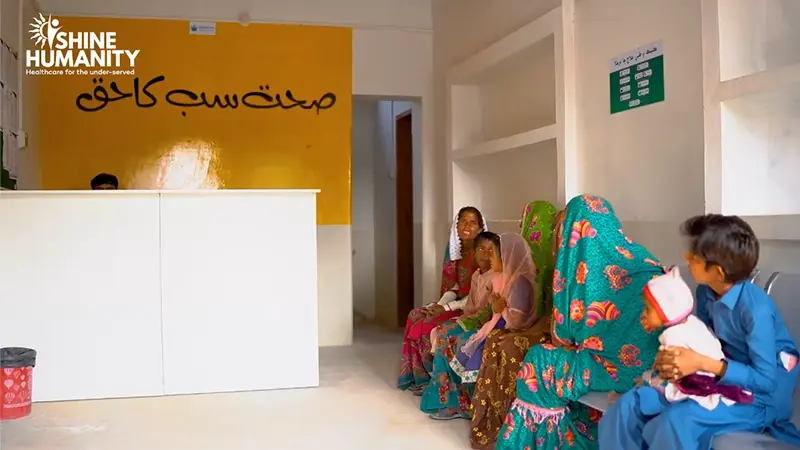
For families in remote districts, the hardest part of surviving a heat emergency is often having no place nearby to get help. SHINE Humanity operates 18 free primary healthcare clinics across rural Sindh in some of the most heat-vulnerable districts, including Gharo, Sujawal, Chilya, Diplo, Nagarparkar, New Jatoi and Sehwan.
These clinics treat heat stroke, dehydration and heat exhaustion free of charge throughout the summer months. Mobile Urgent Care Units extend this reach further, delivering care to over 23,000 individuals across Badin, Sujawal, Thatta, Mirpur Sakro, Tharparkar and Makli in the past year alone.
Beyond clinical care, SHINE Humanity has installed six Reverse Osmosis water plants across interior Sindh, including Ibrahim Hyderi, Sujawal and Mirpur Khaas, giving communities access to clean drinking water that reduces the compounding risk of waterborne illness during heatwaves.
A telemedicine network connecting rural clinic-based midwives with qualified physicians allows patients to consult a doctor remotely, cutting out the long and sometimes dangerous journey to an urban facility. Through an earlier collaboration with Sehat Kahani in Tando Hyder, this model averaged around 600 consultations per month and has since expanded across the region.
Challenges That Still Need to Be Addressed
Despite ongoing progress, several challenges continue to limit how effectively rural communities can respond to extreme heat:
- Reliable electricity remains unavailable for long stretches across interior Sindh, making fans, refrigeration and clean water storage difficult
- Many rural homes are built with heat-trapping materials and lack proper ventilation
- Awareness about early heat stroke warning signs remains limited in remote villages
- Distance to emergency facilities continues to delay treatment, particularly for the elderly and pregnant women
These challenges underline why community-based healthcare, clean water access and consistent public health education remain critical to reducing heat-related deaths in Pakistan.
Conclusion
Heat stroke prevention is not complicated, but it requires preparation, awareness and access to basic resources that many rural families still do not have. As temperatures continue rising across Sindh, summer safety must be treated as a year-round public health priority rather than an annual emergency.
SHINE Humanity continues working alongside underserved communities to expand access to free healthcare, clean drinking water and emergency support throughout the hottest months of the year. Support SHINE Humanity's mission to protect rural families from heat-related illness and help bring sustainable healthcare to the communities most affected by Pakistan's climate crisis.
Frequently Asked Questions
1. At what temperature does heat stroke become a medical emergency?
Heat stroke is diagnosed when the body's core temperature exceeds 40°C and the body's natural cooling systems stop functioning, leading to organ damage if not treated immediately.
2. Why is heat stroke more dangerous in rural Sindh?
Limited access to electricity, clean water, healthcare facilities and emergency transportation makes rural communities significantly more vulnerable to severe heat exposure.
3. Who is most at risk of heat stroke in Pakistan?
Outdoor laborers, pregnant women, children under five, the elderly and individuals with chronic conditions such as diabetes or heart disease face the highest risk.
4. What should you do immediately if someone has a heat stroke?
Move the person to a cool place, remove excess clothing, apply cold wet cloths to the head, neck and armpits and transport them to the nearest healthcare facility as quickly as possible.
5. How can rural families prevent heat stroke without air conditioning?
Drinking water consistently, avoiding outdoor activity between 11 a.m. and 4 p.m., wearing loose cotton clothing, keeping homes shaded during the day and recognizing early symptoms can significantly reduce risk.
6. How does SHINE Humanity support communities during heatwaves?
SHINE Humanity operates 18 free clinics, Mobile Urgent Care Units, six Reverse Osmosis water plants and a telemedicine network across rural Sindh, providing free emergency care, clean drinking water and remote consultations during peak summer months.