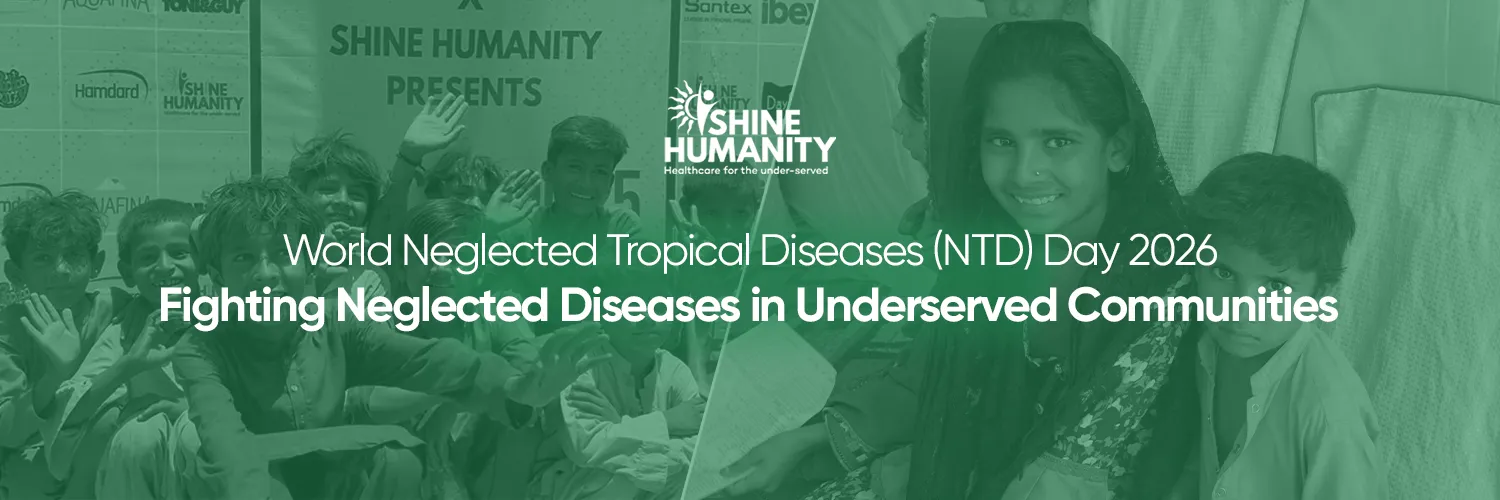
World Neglected Tropical Diseases (NTD) Day 2026: Fighting Neglected Diseases in Underserved Communities
Every year, World Neglected Tropical Diseases Day draws attention to illnesses that quietly shape the lives of millions. In 2026, the urgency feels sharper. While global health has advanced in remarkable ways, neglected tropical diseases continue to persist where poverty, limited access, and weak systems intersect. For underserved communities, these conditions are not rare outbreaks. They are daily realities that affect health, livelihoods, and dignity.
World NTD Day 2026 is not only a moment of reflection. It is a reminder that progress depends on sustained commitment, especially for those who remain unseen.
What Are Neglected Tropical Diseases?
Neglected tropical diseases are a group of infections that mainly affect people living in poverty. They thrive in areas with unsafe water, poor sanitation, overcrowded housing, and limited healthcare services. Although these illnesses rarely make global headlines, their impact is severe and long-lasting.
Many of these conditions cause chronic pain, disability, blindness, and disfigurement. Others weaken immunity, making people more vulnerable to additional infections. Because symptoms often develop slowly, individuals may live with illness for years before receiving care, if they receive care at all. This silent suffering is why NTD awareness remains so important.
The Global Picture in 2026: Progress at Risk
Over the past decade, global collaboration has shown that elimination is achievable. Several countries have successfully removed at least one neglected tropical disease from their public health burden. These achievements demonstrate that coordinated action works.
Yet progress is uneven.
Funding cuts, climate-related shifts, and overstretched health systems threaten to reverse gains. According to the World Health Organization, more than a billion people worldwide still require treatment or preventive care for neglected tropical diseases. Without sustained support, progress toward the 2030 elimination goals could stall, leaving millions without access to life-saving treatment.
Why Underserved Communities Carry the Heaviest Burden
Neglected tropical diseases do not spread evenly, they follow inequality.
In rural villages and informal urban settlements, healthcare facilities are often distant or under-resourced. Clean drinking water may not be available. Sanitation systems may be absent altogether. Families facing daily economic hardship prioritize food and shelter, leaving health concerns untreated until conditions become severe.
Children in these communities face repeated infections that weaken their bodies and limit growth. Adults lose productive workdays due to chronic illness, trapping families in cycles of poverty. For many, access to treatment depends on whether outreach teams reach their area that year.
The Impact Goes Beyond Health
The cost of neglected tropical diseases is not measured only in illness.
For many individuals, the impact includes:
Social isolation caused by visible symptoms
Loss of income due to reduced physical ability
Interrupted education for children
Emotional strain within families
Women often carry an additional burden, balancing caregiving responsibilities while facing barriers to take care of themselves. Over time, these pressures deepen cycles of poverty and exclusion.
Why World NTD Day 2026 Matters Now
Observed every year on 30 January, World NTD Day marks the global commitment to end diseases that persist in the world’s most neglected communities. In 2026, this observance carries added urgency. The world has entered the final five years of the World Health Organization 2021–2030 roadmap, a global plan aimed at controlling, eliminating, or eradicating neglected tropical diseases.
This final phase is about turning progress into permanent results.
It focuses on expanding treatments that are already proven to work.
It prioritizes stronger leadership by national health systems.
It shifts efforts from simply managing illness to stopping transmission altogether.
What happens in these remaining years will determine whether decades of effort result in lasting elimination or whether preventable illness continues to affect vulnerable communities.
How the Global Response Is Taking Shape
Efforts to combat neglected tropical diseases are increasingly focused on long-term solutions rather than short-term fixes.
Working together
Governments, NGOs, and community leaders are coordinating programs instead of operating in isolation. Integrating NTD care into basic health services ensures that treatment continues beyond temporary campaigns.
Acting locally
Mass medicine distribution remains one of the most effective tools, reaching hundreds of millions of people each year. Alongside this, water, sanitation, and hygiene improvements help stop infections from spreading again.
Moving toward elimination
Priority is now placed on high-burden conditions. The focus is on permanent elimination, not repeated emergency response.
Equity at the Center of the Fight
Ending neglected tropical diseases requires putting vulnerable populations first.
Children need protection from infections that cause malnutrition and learning delays. Women must receive care for conditions that affect their health and their role as caregivers. Communities affected by stigma require education and inclusion to restore dignity.
When health systems address equity, progress becomes sustainable.
The Role of Public Health Initiatives and NGOs
Public health initiatives play a vital role where formal systems fall short. Nonprofit organizations help bridge gaps by delivering care directly to underserved areas, building trust, and educating communities.
These programs often combine treatment with prevention, ensuring that people understand symptoms, transmission, and early care. By strengthening local capacity, NGOs contribute to long-term infectious disease control rather than temporary relief.
What World NTD Day 2026 Calls For
The message of World NTD Day 2026 is both urgent and achievable.
Sustaining progress requires:
Protecting funding for NTD programs
Empowering communities to lead interventions
Keeping neglected tropical diseases visible in global health agendas
These investments deliver high returns, improving health, productivity, and resilience across generations.
Ending Neglect Through Shared Responsibility
A world free from neglected tropical diseases is within reach, but only if responsibility is shared. World NTD Day 2026 highlights that lasting elimination depends on collective action, persistence, and equity.
Organizations like SHINE Humanity work at the community level to strengthen primary healthcare, improve disease awareness, and reach populations that public systems often miss. When nonprofits, health institutions, and local communities act together, progress becomes sustainable. Ending neglect is not only a public health goal, but it is also a commitment to dignity and fairness.
Support SHINE Humanity’s efforts to expand community health programs and help protect underserved communities from preventable illnesses.
FAQs
1. What is World NTD Day 2026?
It is observed on 30 January to mobilize global action against neglected tropical diseases.
2. Why are NTDs common in underserved communities?
Limited healthcare access, poor sanitation, and poverty create conditions where these illnesses persist.
3. Can neglected tropical diseases be eliminated?
Yes. With sustained funding and coordinated interventions, many NTDs can be prevented or eliminated.
4. How does climate change affect NTDs?
Changing temperatures and rainfall expand the reach of disease-carrying insects into new regions.
5. Why are NGOs important in NTD response?
They bridge gaps in care, deliver community-level programs, and support long-term prevention efforts.