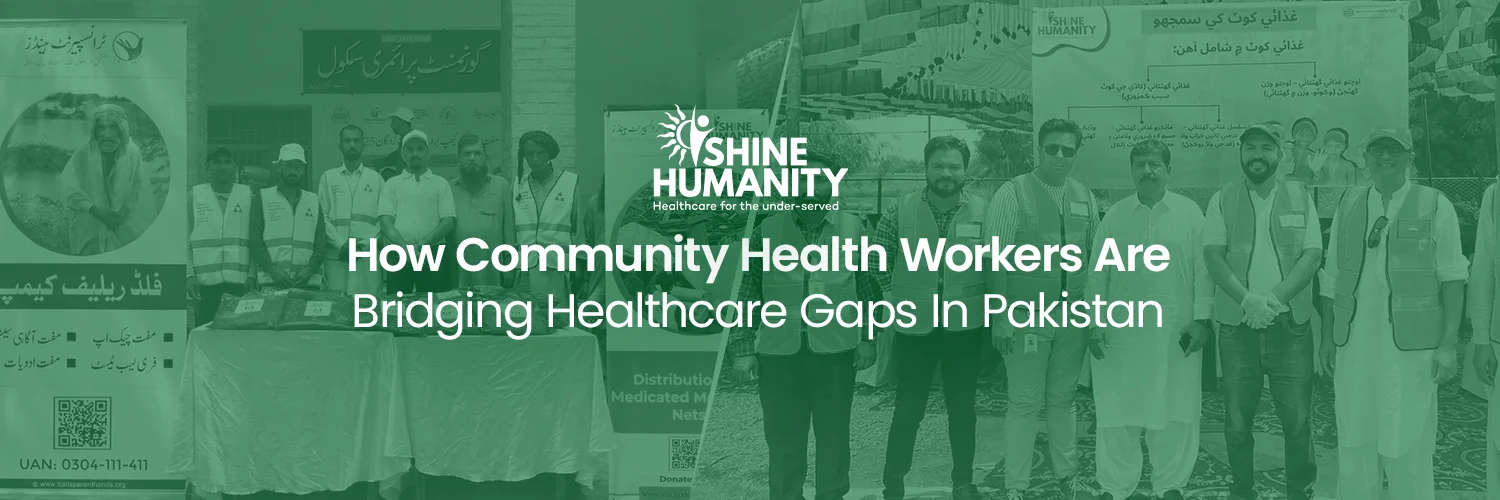
How Community Health Workers Are Bridging Healthcare Gaps in Pakistan
Healthcare access remains one of Pakistan’s most pressing challenges. Nearly 63% of the population lives in rural areas, yet medical infrastructure is heavily concentrated in urban centers. With a doctor-to-population ratio of roughly one physician per more than 1,000 people and significantly lower availability in remote districts, millions face delays in diagnosis and treatment. In this environment, community health workers in Pakistan have become a critical lifeline, delivering essential services where the formal health system cannot consistently reach.
As disease burdens grow and inequalities persist, these frontline workers are helping close gaps in prevention, education, and early intervention across underserved communities.
Why Healthcare Access in Pakistan Remains Unequal
Pakistan’s healthcare system faces long-standing structural limitations:
Shortage of qualified doctors in rural districts
Uneven distribution of health facilities
High maternal and child mortality in underserved regions
Financial barriers that delay early care
For many families, distance and affordability determine whether care is received at all. Improving healthcare access in Pakistan requires more than building hospitals. It requires trusted health systems embedded within communities.
Who Are Community Health Workers and What Do They Do?
Community health workers (CHWs), often referred to as public health workers in Pakistan, are trained local individuals who provide essential primary health support within their own neighborhoods.
They are not physicians, yet they are foundational to preventive healthcare delivery.
Their responsibilities include:
Health Promotion & Education
They guide families on hygiene, nutrition, breastfeeding, vaccination schedules, and disease prevention.
Maternal & Child Health Support
They monitor pregnancies, encourage antenatal visits, promote safe deliveries, and track child immunizations.
Disease Screening & Referral
They identify early warning signs of illnesses such as malaria, tuberculosis, and chronic diseases, referring patients to appropriate facilities.
Follow-Up & Community Monitoring
They support treatment adherence and maintain basic health records, strengthening local data systems.
This reflects the broader role of community health workers in reinforcing preventive care at the grassroots level.
Primary Healthcare in Rural Pakistan: CHWs at the Frontlines
Primary healthcare in rural Pakistan relies heavily on community outreach. Pakistan’s Lady Health Worker Programme, one of the largest community-based healthcare programs in the region, employs over 100,000 female health workers nationwide.
Each worker typically serves around 1,000 individuals, collectively reaching millions of households.
Through this decentralized model, they:
Improve immunization coverage
Increase maternal health awareness
Promote family planning education
Provide healthcare services for underserved communities
This approach has contributed significantly to reducing preventable maternal and child deaths and strengthening early intervention systems.
How Are Community Health Workers Trained?
Community health workers undergo structured training based on the program they are affiliated with. Training typically includes:
Basic health assessment techniques
Maternal and newborn care protocols
Communication and counseling skills
Data recording and referral systems
They work under supervision from nearby health facilities, ensuring accountability while maintaining accessibility at the household level.
How CHWs Are Bridging Healthcare Gaps
1. Expanding Reach
By living within the communities they serve, CHWs eliminate geographic barriers and ensure healthcare reaches remote households.
2. Reducing Healthcare Inequality
They directly address healthcare inequality in Pakistan by prioritizing marginalized and low-income populations.
3. Strengthening Trust
Cultural familiarity allows them to communicate effectively, especially with women who may otherwise hesitate to seek care.
4. Supporting National Health Goals
Immunization campaigns, maternal health initiatives, and disease prevention programs depend heavily on community outreach workers.
Challenges Faced by Public Health Workers in Pakistan
Despite their impact, frontline workers face serious challenges.
Low Compensation
Many receive modest stipends, affecting morale and long-term retention.
Security Risks
Vaccination campaigns and field visits have exposed workers to safety threats in certain regions.
Workload Pressure
Large catchment areas and administrative demands increase burnout risk.
Limited Resources
Insufficient supplies, transport, and digital tools restrict efficiency.
Strengthening workforce protections and investments is essential for sustaining primary healthcare delivery.
Impact on Healthcare Services for Underserved Communities
Community health workers contribute to measurable public health progress:
Increased vaccination uptake
Earlier disease detection
Improved maternal health awareness
Higher household health literacy
Their grassroots presence strengthens community-based healthcare programs and builds more resilient local health systems where infrastructure is limited.
Why Community Health Workers Are Critical to Pakistan’s Future
As Pakistan works toward universal health coverage, investing in frontline workers remains one of the most cost-effective strategies available. Infrastructure alone cannot eliminate systemic barriers to care, especially in rural and marginalized regions. Strong community health networks are essential for building a healthier, more resilient nation.
Empowering local health workers not only expands preventive care and strengthens trust, but also safeguards long-term public health outcomes that shape Pakistan’s future.
Conclusion
Community health workers are agents of change. They bring essential care into homes, remove barriers to treatment, and empower families with the knowledge needed to improve healthcare access in Pakistan for generations to come. When we strengthen their role, we strengthen entire communities.
Shine Humanity advances this mission through community outreach, mobile clinics, and sustainable health programs for underserved populations. Your support can make a real difference. It helps train frontline workers, expand life-saving services, and ensure that no mother, child, or family is left without care.
Donate, volunteer, or partner with us today and be part of building a healthier future for Pakistan.
FAQs
1. What is the main role of community health workers in Pakistan?
They provide preventive care, health education, early disease screening, referrals, and follow-up support within local communities.
2. How do community health workers improve healthcare access in Pakistan?
They deliver primary healthcare services directly to rural and underserved households, reducing geographic and financial barriers.
3. Are community health workers formally trained?
Yes. They receive structured training in maternal health, disease prevention, communication, and referral systems.
4. Why are community health workers important for rural Pakistan?
They bring primary healthcare in rural Pakistan directly to communities where hospitals and doctors are scarce.
5. How is SHINE Humanity supporting community health workers in Pakistan?
SHINE Humanity strengthens community health efforts through mobile clinics, preventive screenings, and outreach programs that expand care in underserved areas.