Anemia in Pakistani Women A Crisis Most Women Don't Know They Have
Across Pakistan, a quiet health crisis continues to drain the energy, productivity and well-being of millions of women, yet it rarely makes headlines. Anemia is the country's most widespread nutritional deficiency, affecting nearly every second woman of reproductive age and remains one of the leading hidden contributors to maternal complications, fatigue and weakened immunity nationwide.
Despite being preventable and treatable, anemia continues to go undiagnosed in millions of Pakistani women, particularly in rural communities where access to screening, nutrition and medical care remains limited.
What Is Anemia?
Anemia occurs when the body lacks enough healthy red blood cells to carry adequate oxygen to its tissues. The most common cause is iron deficiency, which prevents the body from producing sufficient hemoglobin. When hemoglobin levels drop, the body runs on low oxygen, the heart works harder and even simple tasks feel exhausting.
In women, these signs are routinely mistaken for stress or hormonal issues, which is why the condition often goes undetected for months or years. Left untreated, it weakens immunity, raises pregnancy risks and affects mental focus alongside physical health.
The Scale of the Crisis in Pakistan
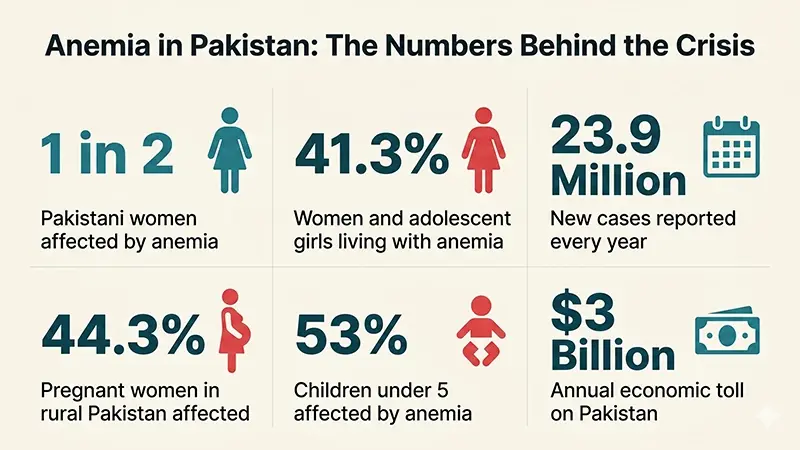
The World Health Organization's 2025 Global Anemia Estimates places Pakistan in the highest "severe public health" category with at least 40 percent of women aged 15 to 49 affected. According to National Nutrition Survey data, 41.3 percent of women and adolescent girls in Pakistan live with the condition, with over 23.9 million new cases reported each year. Rural prevalence reaches 44.3 percent, compared to 40.2 percent in urban areas.
The economic toll exceeds 3 billion US dollars annually in lost productivity and healthcare costs. Children carry an even heavier burden, with 53 percent of those under five affected and 2.8 million new cases reported each year, placing Pakistan second in South Asia for child anemia prevalence.
Why Pakistani Women Face the Highest Risk
Anemia in Pakistani women is not the result of a single cause. It develops gradually from a combination of biological, nutritional and social factors that often overlap in low-income households.
Inadequate Iron Intake
Diets in many Pakistani households rely heavily on rice, wheat and tea, while iron-rich foods such as meat, eggs, leafy greens and lentils remain expensive or culturally underprioritized for women in many homes.
Frequent Pregnancies and Short Birth Intervals
Each pregnancy depletes the body's iron reserves significantly. Without proper recovery time and nutritional support between pregnancies, women enter each new pregnancy with progressively lower iron levels.
Cultural Feeding Patterns
In several Pakistani households, women eat last and least. This long-standing cultural pattern leaves them with smaller portions of protein-rich and iron-rich foods, even when those foods are available.
Infections and Parasitic Infestations
In rural communities, untreated worm infections, malaria and recurring infections contribute significantly to anemia, particularly in adolescent girls.
The Hidden Symptoms Most Women Ignore
Anemia rarely arrives with dramatic symptoms. Most women learn to live with it without realizing what is happening. Recognizing the early signs is the first step toward proper diagnosis and treatment.
Common signs to watch for:
- Persistent fatigue that does not improve with rest
- Pale skin, lips and inner eyelids
- Shortness of breath during routine activities
- Dizziness or lightheadedness
- Cold hands and feet
- Brittle nails and unusual hair fall
- Headaches and difficulty concentrating
- Rapid heartbeat or palpitations
- Cravings for non-food items such as ice, clay or chalk, known as pica
Severe anemia can also cause chest pain, increased risk of infection and complications during pregnancy and childbirth.
Why Anemia Is Especially Dangerous During Pregnancy
Maternal anemia is one of the leading hidden risks behind poor pregnancy outcomes in Pakistan. Research from Karachi's rural communities shows that 44.3 percent of pregnant women in rural Pakistan suffer from iron deficiency, directly contributing to one of the highest neonatal mortality rates globally at 39.4 deaths per 1,000 live births.
Anemia during pregnancy is linked to:
- Higher risk of preterm labor and low birth weight
- Increased likelihood of postpartum hemorrhage
- Reduced oxygen supply to the developing baby
- Greater risk of maternal exhaustion and depression after delivery
- Higher rates of cesarean sections and obstetric complications
This connects directly to broader concerns around maternal mortality in Pakistan, where preventable nutritional deficiencies continue to claim too many lives.
How Anemia Can Be Prevented and Treated
The good news is that anemia is one of the most treatable health conditions when caught early. Most cases respond well to nutritional changes, supplementation and regular monitoring.
Build an Iron-Rich Diet with Accessible Foods
Iron-rich foods that are widely available across Pakistani households include:
- Spinach, kale, mustard greens and other leafy vegetables
- Lentils, chickpeas, kidney beans and other legumes
- Eggs, lean meat, liver and fish
- Jaggery, dates, raisins and apricots
- Sesame seeds, pumpkin seeds and peanuts
Pairing these foods with vitamin C sources such as lemon, oranges and tomatoes significantly improves iron absorption from plant-based meals.
Limit Foods That Block Iron Absorption
Drinking tea or coffee with meals reduces iron absorption considerably. Even moderate tea consumption with main meals can lower iron uptake by up to 60 percent. Shifting tea to between meals rather than during meals can make a measurable difference.
Take Iron Supplements When Recommended
Women diagnosed with anemia often require iron supplementation under medical supervision. Pregnant women in particular benefit from routine iron and folic acid supplements throughout the second and third trimesters.
Prioritize Regular Screening
A simple hemoglobin test can detect anemia early, long before complications appear. All women of reproductive age, especially during pregnancy and after childbirth, should have their hemoglobin levels checked at least once a year.
Treat Underlying Causes
For women with heavy menstrual bleeding, recurrent infections or parasitic infestations, treating the underlying cause is essential. Iron supplements alone cannot solve anemia if the source of ongoing iron loss is not addressed.
How SHINE Humanity Is Addressing Anemia Across Rural Sindh
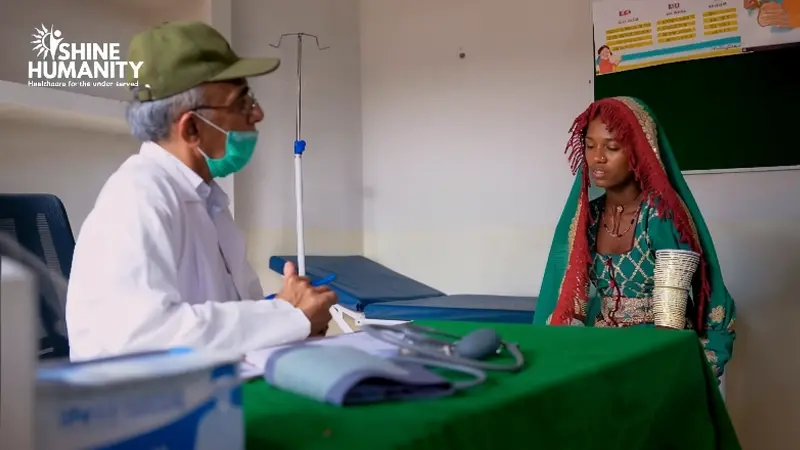
SHINE Humanity has embedded anemia care into multiple layers of its rural healthcare work in Sindh. The dedicated Anemia Program screens adolescents and women using hemoglobin strip testing, then delivers treatment through nutritional support, iron therapy and emergency care for severe cases, with a specific focus on adolescents affected by worm infestation and poor dietary iron intake.
The Sehat Ghar Nutrition Centers in Sujawal and Chilya combine anemia screening with nutritional supplementation, deworming, immunization awareness and maternal health support for mothers and children under five. These services run alongside 18 free primary healthcare clinics operating across Gharo, Sujawal, Chilya, Diplo, Nagarparkar and Sehwan at no cost to patients.
Beyond fixed clinics, SHINE Humanity's Mobile Urgent Care Units have reached over 23,000 individuals across Badin, Thatta, Tharparkar, Mirpur Sakro and Makli, bringing anemia screening directly to communities far from any healthcare facility.
For pregnant women, antenatal screening, iron supplementation and nutritional counseling are built into the maternal and preventive healthcare programs, helping break the cycle of poor maternal nutrition that Pakistan urgently needs to address.
Challenges That Still Need to Be Addressed
Despite ongoing progress, several challenges continue to slow the reduction of anemia in Pakistan:
- Awareness about anemia remains low in many rural households, with symptoms often dismissed as ordinary tiredness
- Limited household income often restricts access to protein and iron-dense foods, particularly in larger families
- Antenatal care coverage remains uneven across rural districts
- Many women face cultural barriers in seeking medical care for symptoms perceived as minor
- Underlying causes such as parasitic infestations and heavy menstrual bleeding often go untreated
These challenges underline why community-based nutritional programs, regular screening and consistent maternal healthcare remain critical to reducing anemia in Pakistan.
Conclusion
Anemia in Pakistani women is quietly shaping the health of an entire generation. Girls grow into undernourished mothers, pregnancies end in preventable complications, and the cycle repeats. Yet this is one of the most preventable and treatable public health crises the country faces, and that is exactly what makes continued inaction so costly.
SHINE Humanity continues working alongside underserved communities to expand access to free anemia screening, nutritional support, and maternal healthcare across rural Sindh. Support SHINE Humanity's mission to bring sustainable nutritional healthcare to the women and children most affected by Pakistan's anemia crisis.
Frequently Asked Questions
1. How common is anemia in Pakistani women?
According to the World Health Organization, at least 40 percent of women aged 15 to 49 in Pakistan are affected by anemia, placing the country in the highest severe public health category globally.
2. What is the main cause of anemia in Pakistani women?
Iron deficiency caused by inadequate dietary intake, frequent pregnancies, heavy menstrual bleeding and limited access to antenatal care are the most common causes in Pakistan.
3. What are the most common symptoms of anemia?
Persistent fatigue, pale skin, dizziness, shortness of breath, brittle nails, headaches, rapid heartbeat and unusual food cravings such as ice or clay are some of the most common signs.
4. Why is anemia dangerous during pregnancy?
Anemia in pregnancy increases the risk of preterm labor, low birth weight, postpartum hemorrhage and is a significant contributor to maternal and neonatal complications in Pakistan.
5. How can anemia be prevented at home?
Eating iron-rich foods such as leafy greens, lentils, eggs and jaggery, pairing them with vitamin C sources, limiting tea with meals and getting regular hemoglobin screening can significantly reduce the risk.
6. How does SHINE Humanity help women with anemia in rural Sindh?
SHINE Humanity runs a dedicated Anemia Program, Sehat Ghar Nutrition Centers, 18 free clinics and Mobile Urgent Care Units that provide free anemia screening, nutritional support, iron therapy and maternal healthcare across rural Sindh.